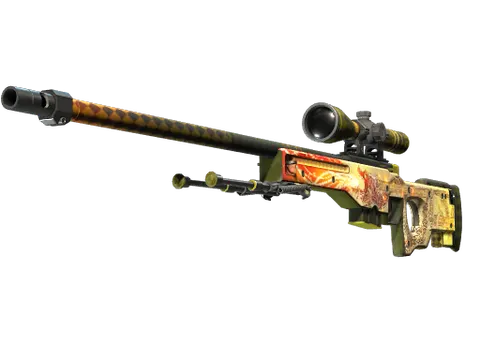



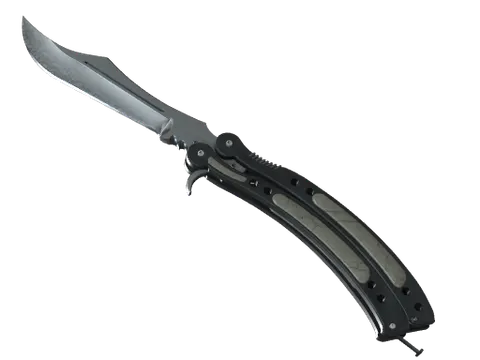

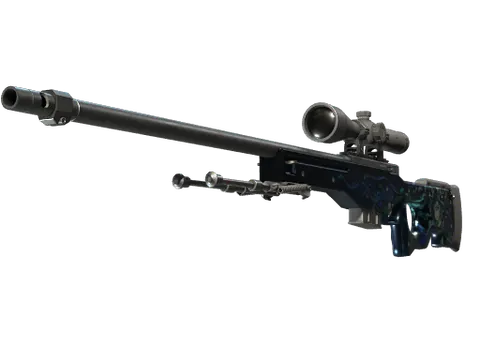
Looking for an AWP | Medusa? Start with its origin, not a case-opening strategy: this Covert AWP belongs to the Gods and Monsters Collection and is not obtainable from any container. Standard case rarity percentages therefore do not describe your chance of receiving it. BloodyCase offers an Upgrader that accepts skins and optional balance toward a more expensive target, but you must check whether Medusa is currently listed before considering an attempt. This guide separates the item’s collection and trade-up rules from BloodyCase’s chance-based mechanics, then explains what to inspect before obtaining a tradable copy.
Information about BloodyCase’s terms and availability is not an endorsement. Gambling content is for adults aged 20+ in New Zealand.
Links to the official BloodyCase site are independent and earn no commission. →
What is AWP | Medusa?
AWP | Medusa is a Covert weapon finish from the Gods and Monsters Collection, associated with Operation Bloodhound and introduced on 26 May 2015. Those details establish its identity, but they do not make it an ordinary case reward. Collection membership describes the family of skins to which an item belongs; container contents describe what a particular opening can award. Confusing those concepts is the main reason generic “red skin odds” can give the wrong impression about Medusa.
- Item
- AWP | Medusa[↗]
- Collection
- Gods and Monsters[↗]
- Rarity
- Covert[↗]
- Introduction
- 26 May 2015, Operation Bloodhound[↗]
- Container availability
- Not obtainable from any container[↗]
If your goal is specifically Medusa rather than a random AWP finish, keep that exact item name at the centre of the decision. A known-item listing, an in-game trade-up and an external upgrade attempt are different routes with different uncertainties. The first lets you examine a particular copy before accepting its terms; the others involve an outcome that must be checked or resolved. For context alongside other collection skins, see the AWP Dragon Lore guide and AWP Gungnir guide, without assuming that either item shares Medusa’s acquisition rules.
Where Medusa comes from—and why cases are not the answer
The direct answer to “Which case drops AWP Medusa?” is that Medusa is not obtainable from any container. Its Gods and Monsters origin should not be read as the name of a case that you can open for it. Likewise, the skin’s historical association with an operation does not establish an active reward route today. Before spending on any opening, distinguish the original Counter-Strike item system from an external site’s independently defined reward catalogue.
| Route | What it means for Medusa | What to check |
|---|---|---|
| Counter-Strike container | Medusa is not obtainable from any container. | Do not apply ordinary case rarity odds to this item. |
| Gods and Monsters Collection | This is Medusa’s collection identity. | Historical origin does not prove a current reward route. |
| Existing-copy purchase or Steam trade | You examine an already-existing item rather than opening for it. | Exact identity, condition, trade eligibility and final terms. |
| In-game trade-up contract | A potential next-grade route when eligible collection inputs make Medusa a possible output. | Input eligibility, represented collections and possible outputs. |
| BloodyCase Upgrader | A chance-based attempt toward a higher-valued listed target. | Whether Medusa is listed, the displayed chance and the stake. |
An external case site can use familiar skin names and case-style presentation without reproducing Valve’s container contents. That does not turn Medusa into a native case drop. If an external opening advertises the item, its own live reward list and probabilities are what matter for that service. No Medusa-specific BloodyCase case, drop percentage or current target availability is established here. Use the BloodyCase cases guide to understand that distinction before treating a promotional image as an obtainable reward.
Published case odds: what they mean for an opening
General case rarity figures help explain why receiving a Covert reward is different from obtaining a specific Covert skin. They are included below for context, not as Medusa odds. The Mil-Spec and Restricted figures are reported by CSGOSKINS.GG with attribution to Valve; the Covert and rare-special figures are reported by CSGODatabase. Preserve those categories rather than combining the figures into an invented Medusa calculation.
| Published category | Reported probability | How to interpret it |
|---|---|---|
| Mil-Spec | 79.92% | A general rarity-tier figure, not an individual skin probability. |
| Restricted | 15.98% | A general rarity-tier figure, not an individual skin probability. |
| Covert, normal case drop | 0.64% | A category figure; it does not make every Covert skin a case reward. |
| Covert, StatTrak drop | 0.064% | A general StatTrak category figure, not evidence of a StatTrak Medusa. |
| Rare special item, normal case drop | 0.26% | The knives/gloves category, not the category for Medusa. |
| Rare special item, StatTrak drop | 0.026% | A quoted special-item figure, not a Medusa probability. |
A rarity probability describes a category within an applicable reward pool. The item must actually belong to that pool before an individual-item probability is meaningful. Medusa does not become eligible simply because its rarity matches a row in the table. These figures also are not a complete schedule to add together: they come with different category labels and should not be used to manufacture a combined probability.
Trade-up contracts: can you craft AWP | Medusa?
“Crafting” usually means using Counter-Strike’s in-game trade-up contract, not assembling a finish from cosmetic parts. The standard next-grade contract consumes 10 skins of the same grade and returns a skin from the next grade, chosen from a collection represented by the inputs. The inputs must be all normal or all StatTrak. Mixing collections is permitted, so the collection printed on each input matters as much as its rarity.
Medusa’s Covert grade places the relevant input level immediately below Covert. A Medusa-targeting contract therefore needs eligible Gods and Monsters inputs that make it a possible next-grade collection output. This identifies the contract route, not a complete ingredient list or a promised outcome. Do not buy inputs merely because a video labels them a “Medusa craft”: confirm the exact collection, grade and eligible outputs of the proposed contract before committing them.
- Check the input gradeThe standard contract requires matching-grade skins and produces the next grade. Different-looking inputs are not interchangeable unless they satisfy the same eligibility rules.
- Check the collection connectionMedusa belongs to Gods and Monsters. A contract containing only unrelated collections does not become a Medusa recipe because the inputs are expensive.
- Keep normal and StatTrak inputs separateThe standard rule requires all normal or all StatTrak inputs. That general rule does not establish that Medusa has a StatTrak version.
- Review every possible outcomeCollection mixing can introduce other collection outputs. Establish what the contract can return and whether losing the inputs for an unwanted result is acceptable.
Souvenir skins, knives and Contraband skins are excluded from the standard contract inputs described here. Covert skins are also not inputs in this 10-skin next-grade process. Do not generalise that last rule to every contract mechanic: separate Covert-to-knife/glove rules exist, but they are not the lower-grade-to-Medusa route. Keeping the contract type explicit avoids applying an unrelated recipe to this AWP.
A usable recipe needs more than a list of skin names. It needs valid inputs, a defensible output set and clear treatment of condition. No precise Medusa recipe probability or output-float formula is supplied here. Treat an unsupported calculator result as something to verify, not a reason to purchase ingredients. BloodyCase’s Contract mode is also a separate operator feature; its name does not mean that Valve’s collection rules apply to it. The game-modes guide keeps those systems separate.
Wear, float, patterns and StatTrak: inspect the copy
Wear and rarity answer different questions. Covert is Medusa’s rarity classification; wear describes the cosmetic condition of an individual copy. Float is the numerical condition attribute used when discussing that wear. Neither tells you whether Medusa belongs in a case. If a seller or target listing shows only the skin name, you still need the details of the actual item before deciding whether it matches what you want.
Medusa-specific float endpoints, a complete set of available wear categories and StatTrak availability are unverified here. Do not infer them from another AWP finish, a generic rarity table or a trade-up’s normal-versus-StatTrak rule. Check an item-specific record and the copy’s Steam details. Likewise, an illustration of a clean-looking rifle is not a substitute for inspecting the item that would actually be delivered.
- Confirm the complete name is AWP | Medusa rather than relying on a thumbnail.
- Read the displayed wear label and inspect the actual copy where inspection is available.
- Record the float if condition is important to your decision; do not substitute an average listing image.
- Treat claims about special patterns or premiums as unverified unless supported by item-specific evidence.
- Check whether any claimed StatTrak designation appears in the actual item details.
Pattern terminology should also stay attached to the item it describes. A recognised discussion around another finish does not establish Medusa pattern tiers or a price premium. The AK-47 Case Hardened pattern guide concerns a different finish; its vocabulary should not be imported into a Medusa listing as proof of added value. For Medusa, prioritise identifiable item details and your own visual preference over an unexplained seller label.
The live target details and chance may vary. This information is not an endorsement of gambling.
Links to the official BloodyCase site are independent and earn no commission. →
Safer ways to obtain a tradable Medusa copy
If your aim is ownership of a particular Medusa, examining an existing copy avoids the uncertainty of a random reward. That does not remove payment, account or counterparty risk. It changes the question from “Will this attempt produce Medusa?” to “Is this the correct item, are these terms acceptable, and can this transfer complete?” A known-item route is therefore easier to evaluate for an exact collecting goal, provided you still perform the security checks.
Steam Trade Offers let the sender specify the items on both sides of a proposed exchange. Inspect the actual offer rather than relying on a chat agreement or screenshot. Confirm what leaves your inventory as carefully as what arrives. A familiar avatar or display name is not enough to establish that the account is the intended counterparty. If the offer changes or no longer matches the agreement, pause rather than approving it to keep a conversation moving.
Steam Guard and holds are separate from skin rarity
Steam Guard’s mobile authenticator provides additional authentication for trade and market confirmations. A Steam trade hold means Steam retains items for a period before delivery, providing time to cancel fraudulent transfers from compromised accounts. These are general Steam security concepts, not Medusa-specific restrictions and not BloodyCase’s own timing rules. Read any restrictions or warnings displayed for the actual item and account rather than assuming a valuable skin must transfer immediately.
- Open Steam and the intended service through trusted addresses, not links sent by an unsolicited trader.
- Keep authentication codes and recovery information private; never hand them to someone offering to verify a Medusa.
- Compare the exact items and account identity in the trade offer with the transaction you initiated.
- Read Steam’s item and account restrictions before accepting a proposed delivery timeline.
- Reject requests to send skins to a separate account for inspection, unlocking or safekeeping.
- If the transaction becomes confusing, stop and resolve the discrepancy before confirming.
Where a copy is offered through the Steam Community Market, purchases and sales use Steam Wallet funds, and the purchase interface shows fee lines. Do not treat that as equivalent to a cash withdrawal or assume the same fees apply elsewhere. For a BloodyCase-related transfer, consult the trade-safety guide and deposit and withdrawal guide. They address service-specific steps separately from the underlying Steam account protections.
Upgrading toward this skin on BloodyCase
BloodyCase’s documented Upgrader lets you stake skins, optionally adding balance, toward a more expensive target skin. The chance is based on the relationship between the stake and target values. That makes it relevant to someone exploring a Medusa target, but only if the live target catalogue actually includes it. The existence of an Upgrader does not establish Medusa stock, a particular wear category or immediate withdrawal eligibility.
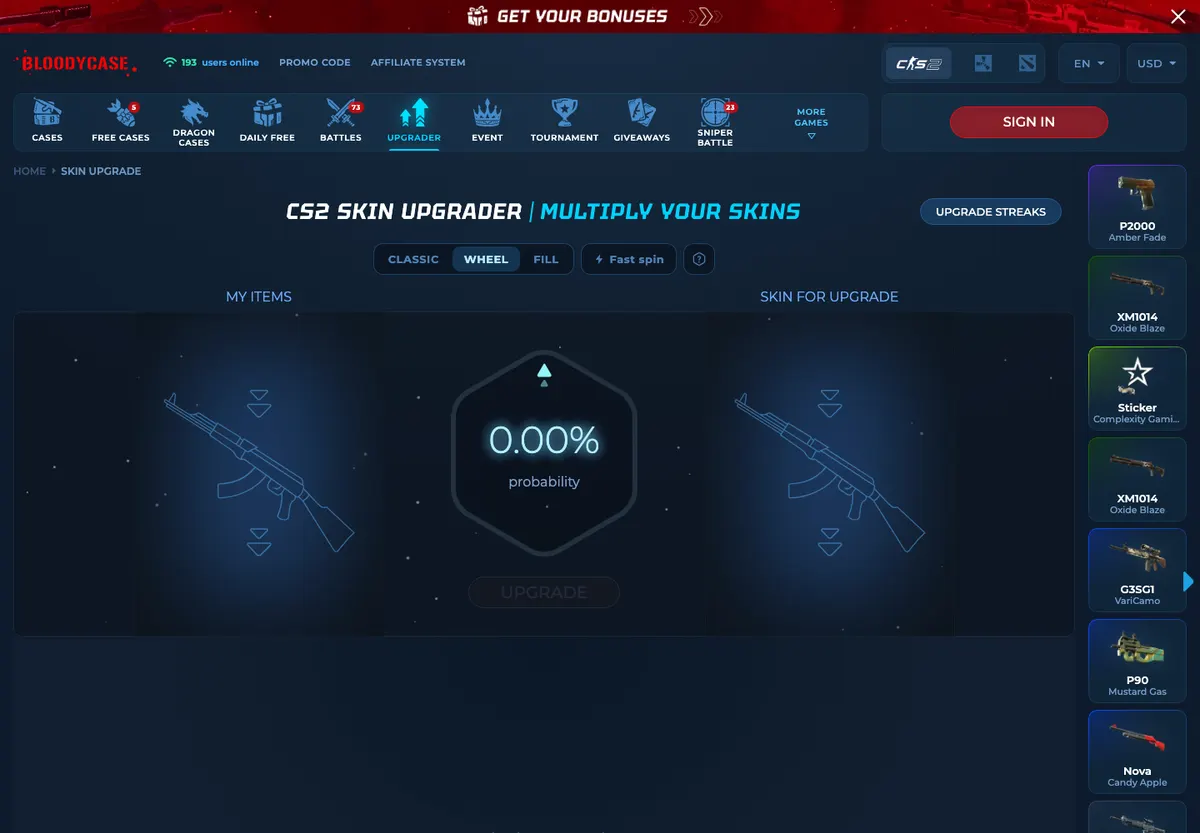
The official Upgrader interface shown above illustrates the mode, not a current Medusa offer. In an upgrade-style game, the chance falls as the target’s value rises relative to the stake. The operator’s margin creates a house edge, meaning the long-run expected result is a loss to the player. This is 18+ chance-based play, not an exchange that steadily converts lower-valued items into the desired skin.
Read the attempt as a stake, not a purchase
If an attempt loses, BloodyCase says the staked skin or balance is lost and cashback is credited. The cashback statement does not establish a full refund, a fixed return or protection of your collection. No cashback amount should be assumed. Review the live conditions before including it in your decision, and assess the attempt on the basis that the stake is at risk.
- Find the exact targetCheck whether AWP | Medusa is listed and read any condition details. If it is absent, do not assume a similar thumbnail or another AWP is an equivalent target.
- Inspect the stake and valuationReview the skins and any balance being committed. The site’s stake-to-target valuation drives the attempt; an unrelated market listing is not a substitute.
- Read the displayed chanceUse the chance shown on the official site before each attempt. If the chance, stake or loss conditions are unclear, do not proceed.
- Decide on an affordable loss limitSet the limit before playing and stop when it is reached. Do not increase the stake to recover earlier losses or to make previous spending feel worthwhile.
No pattern, timing choice or staking sequence changes the stated odds. A run of unsuccessful attempts does not make the target due. Raising the stake may change the displayed value ratio, but it also commits more value; it is not a method of overcoming the house edge. If owning Medusa is the priority, compare the uncertainty of repeated attempts with examining an existing copy before you put collectible items at risk.
Verification does not improve the chance
BloodyCase states that its openings use a provably fair system and that results can be verified using server seeds. Verification is about checking a result against the system’s published process. It does not make a successful outcome more likely, erase the house edge or establish that a particular skin is available. Follow the provably fair guide for the distinction between checking a result and predicting it.
Check withdrawal terms before funding an attempt
BloodyCase says won skins can be withdrawn to Steam, sold for site balance or used in Upgrade and Contract modes. It lists a $5 minimum deposit for paid case access and a balance top-up of at least $5 for item withdrawals. Those are access conditions, not a Medusa price, an upgrade minimum or a complete fee schedule. Selling an item for site balance is also different from receiving money into an external account.
Read the BloodyCase fees guide before assuming that the displayed target value is your complete acquisition cost. The BloodyCase review provides broader context, while the game-modes guide compares the Upgrader with other activities. If an item or withdrawal condition is unclear, use the official support channel, support@bloodycase.com, before making another transaction. Do not try to resolve an account problem by depositing or staking more.
Resolve conflicting Medusa claims before spending
If a video says Medusa is a “case drop,” identify which system it is showing. A third-party reward opening is not evidence that the item comes from a Counter-Strike container. If a recipe promises a specific result, separate input eligibility from output certainty. If a listing claims a special pattern or StatTrak version, ask for the actual item details rather than accepting the caption. Each dispute is easier to resolve when you identify the precise claim being made.
A missing Medusa target on BloodyCase is not something to fix by depositing first. A Steam trade warning is not something to bypass through a stranger’s alternative account. An unclear output list is not something to discover after consuming trade-up inputs. In each situation, stop at the missing information and resolve it through the relevant item details, Steam interface or official service support. That preserves your ability to choose rather than turning uncertainty into a paid experiment.
AWP Medusa checklist before you proceed
- Remember the origin: Covert AWP from Gods and Monsters, not a container reward.
- Keep general case rarity percentages separate from Medusa availability.
- For crafting, verify eligible lower-grade collection inputs and all possible outputs.
- For an existing copy, inspect its identity, condition and Steam trade eligibility.
- For BloodyCase, confirm the exact live target, displayed chance and stake before attempting an upgrade.
- Treat chance-based play as 18+ entertainment with a house edge, and keep an affordable loss limit.
- Prefer a known-item route when your goal is a particular copy rather than the experience of a random outcome.
If attempts are becoming difficult to stop, step away rather than changing the target or increasing the stake. The responsible-play guide covers budgeting, warning signs and support-oriented next steps. Wanting Medusa does not create an obligation to keep playing for it.
AWP | Medusa FAQ
No matching questions found.
Which collection is AWP | Medusa from?
What case drops AWP | Medusa?
Is the Medusa drop chance 0.64%?
Can you craft AWP | Medusa with a trade-up contract?
What is Medusa’s float range, and does it have special patterns?
Is there a StatTrak AWP | Medusa?
Can I upgrade to Medusa on BloodyCase?
Does provably fair make a Medusa upgrade more likely?
Availability, chance and withdrawal terms may vary. This information is not an endorsement of gambling. Gambling content is for adults aged 20+ in New Zealand.
Links to the official BloodyCase site are independent and earn no commission. →
This independent guide is for informational purposes and is not affiliated with BloodyCase.